
Protection
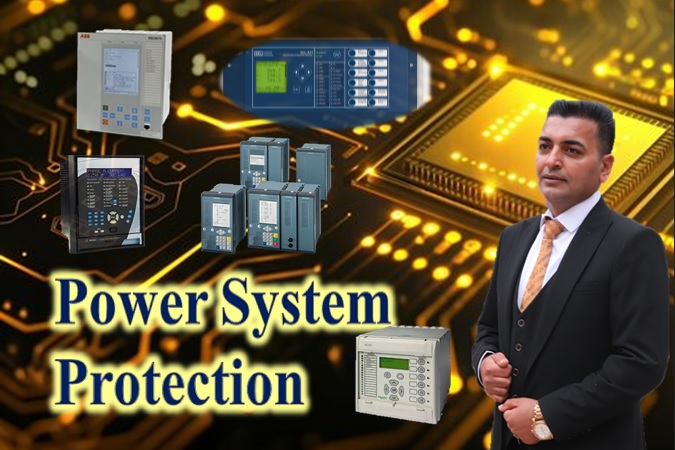
N100 – Power System Protection for Beginners
Learn the Fundamentals of Power System Protection and Substation Automation
Master the essential concepts of power generation, substations, protection systems, faults, numerical relays, SIPROTEC 5 operation, and overcurrent protection. This practical course is designed to provide a strong foundation for engineers, technicians, students, and professionals entering the field of power system protection.
Course Code: N100
Level: Beginner
Format: Self-Paced Video Training
Language: English
Access: Lifetime Access
Certificate: Certificate of Completion Included
Course Overview
Power system protection is one of the most important disciplines in electrical power engineering. A well-designed protection system ensures the safe, reliable, and secure operation of electrical networks by quickly detecting and isolating faults.
This course introduces the fundamentals of power generation, transmission systems, substations, instrument transformers, protection relays, fault analysis, protection principles, and practical relay applications using SIPROTEC 5.
Whether you are a student, graduate engineer, technician, commissioning engineer, or protection engineer, this course provides the knowledge required to build a strong foundation in power system protection.
What You Will Learn
By the end of this course, you will be able to:
- ✅ Understand power generation, transmission, and distribution systems
- ✅ Explain the operation of substations and their major components
- ✅ Identify different busbar configurations and their applications
- ✅ Understand GIS and AIS substations
- ✅ Understand current transformers (CTs) and voltage transformers (VTs)
- ✅ Read and interpret protection single-line diagrams (PSLDs)
- ✅ Understand common power system faults and fault behavior
- ✅ Learn fault calculations and fault simulation concepts
- ✅ Understand protection philosophies and protection zones
- ✅ Understand ANSI protection functions and device numbers
- ✅ Work with SIPROTEC 5 relays in online mode
- ✅ Access relay measurements, logs, and fault records
- ✅ Configure overcurrent and earth fault protection functions
- ✅ Understand directional overcurrent protection principles
Who Should Attend?
This course is ideal for:
- Protection Engineers
- Electrical Engineers
- Substation Engineers
- Commissioning Engineers
- Maintenance Engineers
- SCADA & Automation Engineers
- Utility Personnel
- EPC Engineers
- Technical Trainers
- Engineering Students
- Fresh Graduates entering the power industry
Course Curriculum
Chapter 1 – High Voltage Systems
Power Generation and Transmission
- Power system overview
- Generation technologies
- Hydro, thermal, nuclear, wind, and solar generation
- Electrical grids and transmission systems
- National and international grid infrastructure
Substations and Components
- Substation types
- Substation equipment
- Circuit breakers
- CTs and VTs
- Lightning arresters
- Disconnectors
- Power transformers
Busbar Configurations
- Single busbar
- Double busbar
- Main and transfer bus
- One-and-a-half breaker scheme
- Double bus double breaker scheme
GIS Substations
- GIS history
- GIS versus AIS
- Installation and maintenance
- GIS equipment
Instrument Transformers
- CT fundamentals
- VT fundamentals
- CT classes
- CT polarity
- Protection and metering cores
- CT sizing and selection
Chapter 2 – Low Voltage Systems
Control and Protection Panels
- Protection and control systems
- Relay panels
- Metering systems
- Panel components
- Lockout relays
- Trip relays
- Automation devices
Electrical Schematics
- Electrical symbols
- Single-line diagrams
- Protection schematics
- Wiring diagrams
Protection Functions and ANSI Codes
- ANSI device numbers
- Overcurrent protection
- Distance protection
- Differential protection
- Directional protection
- Frequency protection
- Synchronism-check protection
Protection Single-Line Diagrams
- Transformer protection
- Feeder protection
- Busbar protection
- Line protection
Chapter 3 – Power System Faults
Fault Fundamentals
- Symmetrical faults
- Unsymmetrical faults
- Transformer faults
- Generator faults
- Transmission line faults
- Load abnormalities
Fault Studies and Simulation
- Fault calculations
- Symmetrical components
- ETAP overview
- DIgSILENT PowerFactory overview
- PSCAD overview
Fault Detection Criteria
- Overcurrent
- Earth fault
- Voltage monitoring
- Frequency monitoring
- Differential current
- Impedance-based protection
Chapter 4 – Protection Fundamentals
Introduction to Protection
- Importance of protection
- Protection requirements
- Protection zones
- Primary and backup protection
Numerical Relays
- Relay evolution
- Numerical relay architecture
- Signal processing
- Phasor measurement
- Digital protection principles
Relay Selection
- Application-based relay selection
- Transformer protection
- Generator protection
- Feeder protection
- Line protection
- Busbar protection
Chapter 5 – SIPROTEC 5 Practical Operation
Online Mode
- Device communication
- Commissioning mode
- Simulation mode
- Backup and restore
- Upload and download configurations
Web User Interface
- Device monitoring
- Measurements
- Logs and reports
- Event analysis
Relay Measurements
- Symmetrical components
- Operational values
- Primary and secondary measurements
- Snapshot functions
Logs and Fault Analysis
- Operational logs
- Fault logs
- Ground fault logs
- User-defined logs
Fault Recorder
- COMTRADE records
- Event analysis
- Disturbance records
- Fault investigation
Chapter 6 – Overcurrent Protection Functions
ANSI 50/51 Overcurrent Protection
- Definite-time protection
- Inverse-time protection
- Pickup settings
- Time-current curves
ANSI 50N/51N Earth Fault Protection
- Earth fault detection
- Residual current measurement
- Configuration and settings
ANSI 67 Directional Overcurrent Protection
- Forward and reverse fault detection
- Voltage polarization
- Directional logic
ANSI 67N Directional Earth Fault Protection
- Ground directional protection
- 3I0 calculations
- Practical configuration examples
Included Free Resources
This course includes a comprehensive library of supporting materials:
- Protection Reference Manuals
- IEEE Protection Guides
- IEC Standards
- CT Design and Selection Guides
- Generator Protection Guides
- Transformer Protection Guides
- Motor Protection Guides
- Busbar Protection Schemes
- Line Differential Protection Resources
- Relay Setting Calculation Examples
- SIPROTEC 5 Manuals
- Protection Coordination Studies
- Fault Analysis References
- Industry Application Notes
50+ downloadable technical resources included.
Prerequisites
No prior protection experience is required.
Basic knowledge of electrical engineering is helpful but not mandatory.
Certificate
Upon successful completion of the course, participants will receive a Certificate of Completion that can be used to demonstrate their knowledge of power system protection fundamentals.
Why Choose This Course?
✔ Industry-focused content
✔ Practical relay examples
✔ SIPROTEC 5 hands-on demonstrations
✔ Downloadable technical resources
✔ Lifetime access
✔ Learn at your own pace
✔ Designed by an experienced protection and automation specialist
✔ Ideal foundation before studying advanced protection schemes
Course Updates
This course is regularly updated with new lessons, examples, and technical resources to ensure the content remains relevant and aligned with industry practices.
Students are encouraged to provide feedback, suggestions, and questions for future updates.